



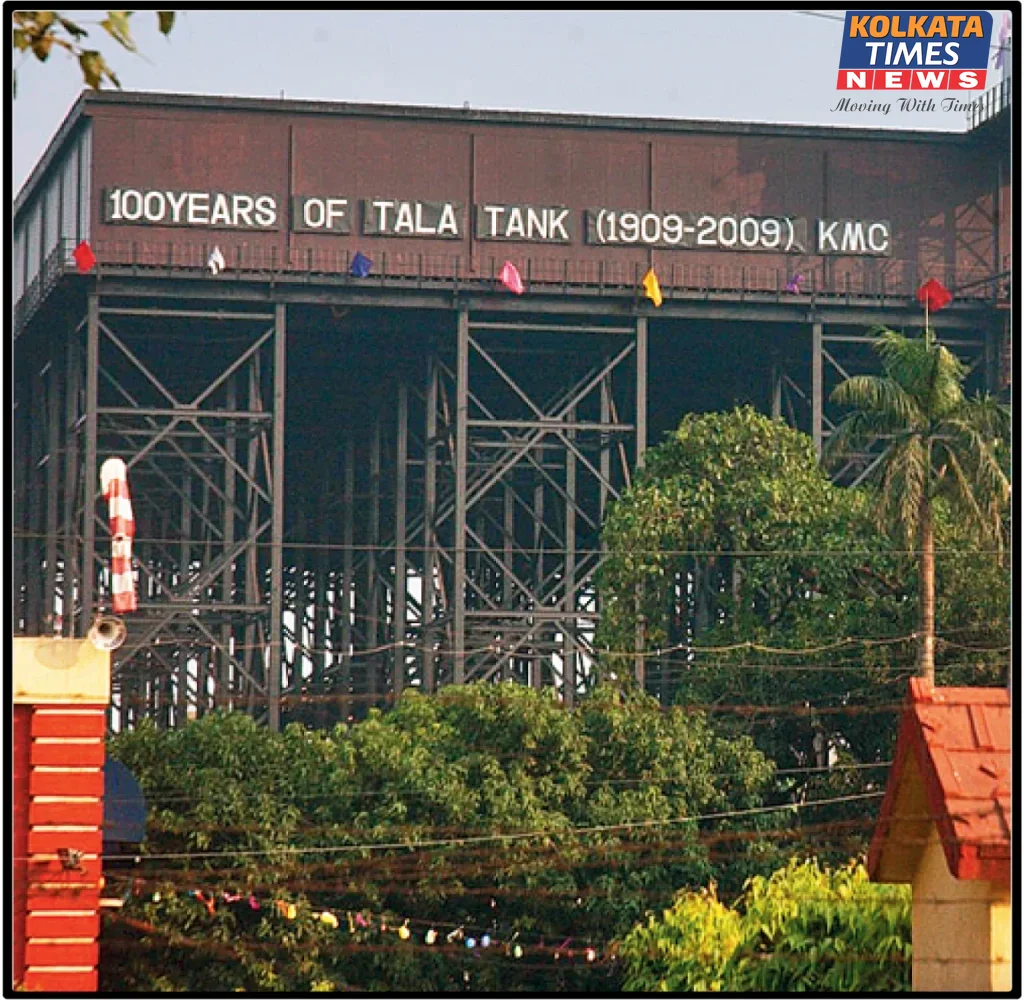
ব্রিটিশ আমলের শতাব্দীপ্রাচীন পাইপলাইনে একাধিক ফাটল, রেললাইনের পাঁচ-ছয় মিটার নীচে মেরামতির কাজ ঘিরে জটিলতা। পাইকপাড়া থেকে বাগবাজার, শোভাবাজার থেকে বেলগাছিয়া—জলের জন্য হাহাকার। ট্যাঙ্কার পরিষেবা নিয়েও টাকা চাওয়ার অভিযোগ, একাধিক লোকাল বাতিল ও ঘুরপথে ট্রেন চালানোর সিদ্ধান্ত পূর্ব রেলের।
কলকাতা টাইমস নিউজ ডেস্ক:
একটি পাইপলাইনের ফাটল কীভাবে একটি গোটা মহানগরের নাগরিক পরিষেবাকে বিপর্যস্ত করে দিতে পারে, তারই বাস্তব ছবি এখন উত্তর কলকাতার টালা ও সংলগ্ন এলাকায়। সোমবার সকালে টালা ব্রিজের কাছে পানীয় জলের একটি বড় পাইপলাইনে ফাটল ধরা পড়ার পর থেকে পরিস্থিতি ক্রমশ জটিল হয়ে উঠেছে। প্রথমে মনে করা হয়েছিল, দ্রুত মেরামতির মাধ্যমে দু'দিনের মধ্যেই জল সরবরাহ স্বাভাবিক করা সম্ভব হবে। কিন্তু কাজের অগ্রগতি খতিয়ে দেখতে গিয়ে পুরকর্তাদের একাংশের আশঙ্কা, এই বিপর্যয় কাটাতে আরও অন্তত দশ দিন সময় লেগে যেতে পারে। কারণ, ক্ষতিগ্রস্ত পাইপের একটি বড় অংশ রয়েছে রেললাইনের নীচে। শতাব্দীপ্রাচীন ওই পাইপলাইনে একাধিক জায়গায় ফাটল চিহ্নিত হওয়ায় মেরামতির কাজও সহজ হচ্ছে না।
টালার জল সরবরাহ ব্যবস্থার উপর নির্ভরশীল উত্তর কলকাতা এবং শহরের বিস্তীর্ণ এলাকার বাসিন্দাদের কাছে এই পরিস্থিতি এখন বড় দুশ্চিন্তার কারণ। শুধু পানীয় জল নয়, পাইপ ফেটে বেরিয়ে আসা জলে প্লাবিত হয়েছে রাস্তা, রেললাইন এবং আশপাশের একাধিক এলাকা। কোথাও বিদ্যুৎ সংযোগ বিচ্ছিন্ন রাখতে হয়েছে নিরাপত্তার কারণে, কোথাও আবার জল জমে যাওয়ায় রেল পরিষেবা বন্ধ বা নিয়ন্ত্রিত করতে হয়েছে। অর্থাৎ একটি পরিকাঠামোগত বিপর্যয় একই সঙ্গে পানীয় জল, বিদ্যুৎ, পরিবহণ এবং সাধারণ জনজীবনকে প্রভাবিত করছে।
৯ নভেম্বর সোমবার সকাল নাগাদ টালা ব্রিজের নীচে রেললাইনের কাছাকাছি জল সরবরাহের পাইপে বড় ধরনের লিকেজ ধরা পড়ে। কলকাতা পুরসভার প্রাথমিক পর্যবেক্ষণে জানা যায়, ক্ষতিগ্রস্ত পাইপটি প্রায় ১৮০০ মিলিমিটার ব্যাসের এবং টালা জলাধার থেকে বিভিন্ন বুস্টার পাম্পিং স্টেশনে জল পৌঁছে দেওয়ার গুরুত্বপূর্ণ সংযোগের অংশ। ফাটল থেকে বিপুল পরিমাণ জল বেরিয়ে আশপাশের এলাকায় ছড়িয়ে পড়ে। বিভিন্ন সংবাদমাধ্যমের প্রতিবেদন অনুযায়ী, এই ঘটনায় প্রায় ৫০ লক্ষ গ্যালনেরও বেশি জল বেরিয়ে যাওয়ার আশঙ্কা প্রকাশ করেছেন পুরকর্তারা।
প্রথম দিকে কলকাতা পুরসভার তরফে দ্রুত পরিস্থিতি স্বাভাবিক করার আশ্বাস দেওয়া হলেও বাস্তবে মেরামতির কাজের জটিলতা সামনে আসছে। পুরসভার জল সরবরাহ বিভাগের একাধিক আধিকারিকের বক্তব্য, পাইপলাইনের বয়স একশো বছরেরও বেশি। দীর্ঘদিনের ব্যবহারে পাইপের বিভিন্ন অংশ দুর্বল হয়ে পড়েছে। তার উপর একটি ফাটল টালা ব্রিজের নীচে এবং অন্যটি রেললাইনের তলায় থাকায় সরাসরি সেখানে পৌঁছনো কঠিন। শুধু জল বন্ধ করে পাইপের ক্ষতস্থান খুঁজে বের করলেই কাজ শেষ হচ্ছে না। রেললাইনের নীচে থাকা অংশে পৌঁছতে হলে রেল কর্তৃপক্ষের সঙ্গে সমন্বয় করে ট্র্যাক সংক্রান্ত ব্যবস্থা নিতে হচ্ছে।
রেললাইনের প্রায় পাঁচ থেকে ছয় মিটার নীচে পাইপের অবস্থান হওয়ায় মেরামতির জন্য প্রয়োজনীয় জায়গা তৈরি করাও সময়সাপেক্ষ। রেললাইনের নিরাপত্তা বজায় রেখে কাজ করতে হচ্ছে বলে দ্রুত মেরামতির সম্ভাবনা কম। ফলে দু'দিনে পরিস্থিতি স্বাভাবিক হওয়ার প্রাথমিক আশ্বাসের সঙ্গে বাস্তব পরিস্থিতির ব্যবধান ক্রমশ স্পষ্ট হচ্ছে।
বুধবারও বন্ধ চক্ররেল, বাতিল ও ঘুরপথে একাধিক লোকাল
টালার জল বিপর্যয়ের সবচেয়ে দৃশ্যমান প্রভাব পড়েছে কলকাতা স্টেশন এবং সংলগ্ন রেলপথে। পাইপ ফেটে বেরিয়ে আসা জলে রেললাইনের একাধিক অংশ জলমগ্ন হয়ে পড়ে। বিশেষ করে কলকাতা স্টেশনের স্টেবল ইয়ার্ড এবং সার্কুলার রেল লাইনে জল জমে যাওয়ায় পূর্ব রেলকে পরিষেবা নিয়ন্ত্রণ করতে হয়েছে।
সোমবার থেকেই চক্ররেল পরিষেবা ব্যাহত। মঙ্গলবারও পরিস্থিতি পুরোপুরি স্বাভাবিক হয়নি। পূর্ব রেলের শিয়ালদহ ডিভিশন জানিয়েছে, জল নিষ্কাশন এবং সিগন্যালিং ও ট্র্যাকের রক্ষণাবেক্ষণের কাজের জন্য বুধবার, ১১ নভেম্বরও চক্ররেল পরিষেবায় নিয়ন্ত্রণ থাকবে। কিছু ট্রেন বাতিল, কিছু ট্রেনের যাত্রাপথ সংক্ষিপ্ত এবং কয়েকটি ট্রেনের রুট পরিবর্তন করা হয়েছে।
রেল সূত্রে জানা গিয়েছে, জল সরানোর জন্য একাধিক শক্তিশালী পাম্প ব্যবহার করা হচ্ছে। কিন্তু জল নিষ্কাশনের পরেও ট্র্যাক সম্পূর্ণ শুকনো না হওয়ায় নিরাপত্তার স্বার্থে স্বাভাবিক পরিষেবা চালু করা সম্ভব হচ্ছে না। ফলে কলকাতা স্টেশনকে কেন্দ্র করে যাত্রীদের দুর্ভোগ অব্যাহত থাকার আশঙ্কা রয়েছে।
পূর্ব রেলের ঘোষিত বুধবারের পরিবর্তিত ব্যবস্থায় বনগাঁ থেকে মাঝেরহাটগামী দুটি ট্রেনের যাত্রা বারাসাতে শেষ হবে। অন্যদিকে মাঝেরহাট থেকে হাবড়াগামী একটি ট্রেন বারাসাত থেকে যাত্রা শুরু করবে। কয়েকটি ট্রেনের যাত্রা শিয়ালদহ উত্তর, দমদম ক্যান্টনমেন্ট, বালিগঞ্জ এবং মাঝেরহাটে আংশিকভাবে শেষ করা হবে। একই সঙ্গে কিছু ট্রেন ওই স্টেশনগুলি থেকেই যাত্রা শুরু করবে।
গেদে, হাসনাবাদ, মধ্যমগ্রাম, নৈহাটি, রানাঘাট এবং দত্তপুকুরগামী কয়েকটি ট্রেন কাঁকুড়গাছি-বালিগঞ্জ অথবা বালিগঞ্জ-কাঁকুড়গাছি হয়ে ঘুরপথে চালানোর সিদ্ধান্ত নেওয়া হয়েছে। এর ফলে নির্ধারিত সময়ের তুলনায় কিছু ট্রেনের মাঝেরহাট পৌঁছনোর সময়েও পরিবর্তন হতে পারে।
দূরপাল্লার ট্রেনের ক্ষেত্রেও সোমবার ও মঙ্গলবার একাধিক পরিষেবার সময় পরিবর্তন করতে হয়েছে। কলকাতা-শিলঘাট টাউন কাজিরাঙা এক্সপ্রেস, কলকাতা-আজিমগঞ্জ উইকলি এক্সপ্রেস এবং কলকাতা-জম্মু তাওয়াই এক্সপ্রেসের মতো ট্রেনের যাত্রার সময় পিছিয়ে দিতে হয়েছিল।
রেল কর্তৃপক্ষ যাত্রীদের স্টেশনে যাওয়ার আগে সংশোধিত সময়সূচি যাচাই করে নেওয়ার পরামর্শ দিয়েছে। বিশেষ করে যাঁদের কলকাতা স্টেশন থেকে দূরপাল্লার ট্রেন ধরার পরিকল্পনা রয়েছে, তাঁদের আগেভাগে যাত্রার ব্যবস্থা করার পরামর্শ দেওয়া হচ্ছে।
জলের ট্যাঙ্কার নিয়েও ক্ষোভ, ৭৫০ টাকা চাওয়ার অভিযোগ
রেল পরিষেবার পাশাপাশি সবচেয়ে বড় সমস্যা হয়ে দাঁড়িয়েছে পানীয় জলের সঙ্কট। টালা জলাধারের উপর নির্ভরশীল উত্তর কলকাতার একাধিক এলাকায় মঙ্গলবার সকাল থেকেই জল সরবরাহের চাপ কমতে শুরু করে। কোথাও কল দিয়ে অল্প জল পড়ছে, কোথাও আবার একেবারেই জল আসছে না। পাইকপাড়া, টালা, কুমোরটুলি, বেলগাছিয়া, শোভাবাজার, অহিরীটোলা, রামবাগান, নীলমণি মিত্র স্ট্রিট এবং বাগবাজারের বিভিন্ন এলাকায় বাসিন্দাদের দুর্ভোগ বাড়ছে।
এই পরিস্থিতিতে কলকাতা পুরসভার তরফে বিকল্প জল সরবরাহের ব্যবস্থা করা হয়েছে। সংবাদমাধ্যমের প্রতিবেদন অনুযায়ী, মঙ্গলবার পর্যন্ত ১৫০টিরও বেশি জলবাহী ট্যাঙ্কার বিভিন্ন এলাকায় পাঠানো হয়েছে। রাজ্যের পুর ও নগরোন্নয়ন মন্ত্রী অগ্নিমিত্রা পাল জানিয়েছেন, যেসব এলাকায় জল পৌঁছচ্ছে না অথবা সরবরাহের চাপ অত্যন্ত কম, সেখানকার বাসিন্দারা ৯৮৩১১২৭৫২২ নম্বরে ফোন বা হোয়াটসঅ্যাপ করে সমস্যার কথা জানাতে পারবেন। প্রয়োজন অনুযায়ী ট্যাঙ্কার পাঠানোর ব্যবস্থা করা হবে বলেও আশ্বাস দিয়েছেন তিনি।
কিন্তু ট্যাঙ্কার পরিষেবা নিয়েও একাধিক অভিযোগ সামনে এসেছে। স্থানীয় বাসিন্দাদের একাংশের দাবি, ট্যাঙ্কার চেয়ে ফোন করলে ৭৫০ টাকা পর্যন্ত চাওয়া হচ্ছে। কেউ টাকা দিতে রাজি হয়েও সময়মতো জল পাচ্ছেন না বলে অভিযোগ করেছেন। শ্যামবাজার, গ্রে স্ট্রিট এবং বাগবাজারের বাসিন্দাদের বক্তব্য, এমন পরিস্থিতিতে সাধারণ মানুষের পক্ষে প্রতিদিনের পানীয় জল ও গৃহস্থালির প্রয়োজন মেটানো কঠিন হয়ে উঠেছে।
বয়স্ক মানুষ, শিশু এবং অসুস্থদের নিয়ে সমস্যায় পড়েছেন বহু পরিবার। কেউ জলের জার কিনছেন, কেউ পুরসভার কলের সামনে দীর্ঘক্ষণ লাইনে দাঁড়াচ্ছেন। আবার কোথাও কোথাও স্থানীয় বাসিন্দাদের হুগলি নদী থেকে জল নিয়ে এসে দৈনন্দিন কাজ চালাতে হচ্ছে বলে অভিযোগ উঠেছে।
বাগবাজার ও শ্যামবাজারের বাসিন্দাদের বক্তব্যে ধরা পড়েছে এই সংকটের মানবিক দিক। দীর্ঘদিন ধরে শহরে বসবাস করেও এমন জলকষ্টের অভিজ্ঞতা তাঁদের হয়নি বলে জানিয়েছেন অনেকে। বিশেষ করে একা থাকা প্রবীণ নাগরিকদের কাছে জল সংগ্রহ করাই এখন বড় সমস্যা হয়ে দাঁড়িয়েছে।
এখানে প্রশাসনের কাছে সবচেয়ে গুরুত্বপূর্ণ বিষয় হল ট্যাঙ্কার পরিষেবার স্বচ্ছতা। জরুরি পরিস্থিতিতে নাগরিকদের কাছ থেকে কোনও অনিয়মিত অর্থ দাবি করা হচ্ছে কি না, তা খতিয়ে দেখা প্রয়োজন। সরকারি পরিষেবা কোথায়, কখন এবং কীভাবে পৌঁছবে, সেই তথ্যও প্রকাশ্যে জানানো দরকার।
বিকল্প পাইপলাইনে জল ঘোরানোর পরিকল্পনা, শুক্রবারের মধ্যে প্রস্তুতির লক্ষ্য
কলকাতা পুরসভার সামনে এখন সবচেয়ে বড় কাজ হল ক্ষতিগ্রস্ত পাইপটি মেরামতির আগে বিকল্প পথে জল সরবরাহ নিশ্চিত করা। পুরসভার আধিকারিকদের বক্তব্য, ক্ষতিগ্রস্ত ১৮০০ মিলিমিটার পাইপলাইনটি বন্ধ করার আগে অন্য পাইপলাইনের মাধ্যমে সেই জল বিভিন্ন এলাকায় পৌঁছে দেওয়ার ব্যবস্থা করতে হবে। তার জন্য টালা ব্রিজের পাশ দিয়ে যাওয়া ১২০০ মিলিমিটার ব্যাসের একটি বিকল্প পাইপলাইন ব্যবহার করার পরিকল্পনা রয়েছে।
টাইমস অফ ইন্ডিয়ার ১০ নভেম্বরের প্রতিবেদন অনুযায়ী, শুক্রবারের মধ্যে বিকল্প পথে জল সরবরাহ ঘুরিয়ে দেওয়ার লক্ষ্যে কাজ করছে পুরসভা। এরপর মূল ক্ষতিগ্রস্ত পাইপলাইনটি বন্ধ করে পূর্ণাঙ্গ মেরামতির কাজ করা সম্ভব হবে। অর্থাৎ, প্রথম লক্ষ্য শুধু ফাটল সারানো নয়, তার আগে শহরের জল সরবরাহের ধারাবাহিকতা বজায় রাখা।
এই পরিস্থিতিতে মেরামতির সময়সীমা নিয়েও কিছুটা অনিশ্চয়তা তৈরি হয়েছে। প্রাথমিকভাবে দু'-তিন দিনের মধ্যে পরিস্থিতি স্বাভাবিক হওয়ার আশা করা হলেও পুরসভার সঙ্গে যুক্ত একাধিক সূত্রের দাবি, রেললাইনের নীচে থাকা পাইপের অংশে পৌঁছনো এবং মেরামতির কাজ সম্পূর্ণ করতে আরও অনেকটা সময় লাগতে পারে। কোনও কোনও পুর আধিকারিকের মতে, পুরো সমস্যার স্থায়ী সমাধানে দশ দিন পর্যন্ত সময় লাগতে পারে। তবে এটিকে এখনও চূড়ান্ত সরকারি সময়সীমা হিসেবে ধরা যাচ্ছে না।
অন্যদিকে পুর ও নগরোন্নয়ন মন্ত্রী অগ্নিমিত্রা পাল জানিয়েছেন, ভবিষ্যতে এই ধরনের সমস্যা এড়াতে নতুন পাইপলাইনের ব্যাস পুরনো লাইনের তুলনায় অনেকটা বাড়ানোর পরিকল্পনা রয়েছে। অর্থাৎ, শুধু জরুরি মেরামতি নয়, দীর্ঘমেয়াদি জল সরবরাহ ব্যবস্থার উন্নয়নও সরকারের বিবেচনায় রয়েছে।
শতাব্দীপ্রাচীন পরিকাঠামো নিয়ে নতুন করে প্রশ্ন
টালার এই বিপর্যয় কলকাতার পানীয় জল সরবরাহ ব্যবস্থার পরিকাঠামো নিয়ে দীর্ঘদিনের প্রশ্নকে সামনে নিয়ে এসেছে। টালা জলাধার কলকাতার অন্যতম ঐতিহাসিক জল সরবরাহ কেন্দ্র। ব্রিটিশ আমলে তৈরি এই জলাধার ও তার সঙ্গে যুক্ত পাইপলাইনের মাধ্যমে শহরের বিস্তীর্ণ অঞ্চলে পানীয় জল পৌঁছে দেওয়া হয়।
প্রায় ১৯১১ সালের কাছাকাছি সময়ে বসানো হয়েছিল ক্ষতিগ্রস্ত পাইপলাইনের একটি অংশ বলে সংবাদমাধ্যমে প্রকাশিত হয়েছে। এত দীর্ঘ সময় ধরে ব্যবহৃত একটি বড় পাইপলাইনের নিয়মিত পরীক্ষা, রক্ষণাবেক্ষণ এবং প্রয়োজন অনুযায়ী প্রতিস্থাপন কতটা হয়েছে, তা নিয়ে প্রশ্ন উঠছে। শুধু জরুরি ভিত্তিতে ফাটল সারালেই সমস্যার স্থায়ী সমাধান হবে না। বরং শহরের পুরনো জল সরবরাহ নেটওয়ার্কের সামগ্রিক স্বাস্থ্য পরীক্ষা করা প্রয়োজন।
কলকাতার মতো ঘনবসতিপূর্ণ শহরে জল সরবরাহের একটি বড় লাইনে সমস্যা দেখা দিলে তার প্রভাব বহু এলাকায় ছড়িয়ে পড়তে পারে। তাই ভবিষ্যতের জন্য বিকল্প সংযোগ, পর্যাপ্ত জলাধার, আধুনিক নজরদারি ব্যবস্থা এবং জরুরি মেরামতির পরিকল্পনা থাকা অত্যন্ত জরুরি।
এই ঘটনা আরও একটি বিষয় স্পষ্ট করেছে। শহরের পরিকাঠামো শুধু নতুন রাস্তা, উড়ালপুল বা মেট্রো প্রকল্পের মধ্যে সীমাবদ্ধ নয়। ভূগর্ভস্থ জল, নিকাশি, বিদ্যুৎ এবং রেললাইনের মতো পরিষেবাগুলিও সমান গুরুত্বপূর্ণ। একটি ব্যবস্থার ব্যর্থতা অন্য ব্যবস্থাকে কতটা বিপর্যস্ত করতে পারে, টালার ঘটনা তারই উদাহরণ।
এখন উত্তর কলকাতার মানুষের একটাই অপেক্ষা—কবে আবার স্বাভাবিক চাপে কল দিয়ে জল পড়বে, কবে ট্রেন চলবে নির্ধারিত পথে, আর কবে এই দুর্ভোগ থেকে মুক্তি মিলবে। প্রশাসনের কাছে তাই শুধু পাইপ মেরামত নয়, নাগরিকদের আস্থা ফিরিয়ে আনাও এখন বড় চ্যালেঞ্জ।
Tala Pipeline Crisis: Kolkata Faces Water Woes for Days as Circular Railway Remains Disrupted, Repairs Could Take 10 Days
Subheading: A century-old water pipeline has developed multiple leaks beneath railway tracks, disrupting water supply across large parts of the city. Residents complain of tanker shortages and alleged overcharging, while Eastern Railway announces further cancellations and route changes for Wednesday.
Kolkata Times News Desk:
A major infrastructure failure in North Kolkata has turned into a growing civic crisis, with thousands of residents struggling for drinking water and suburban train services continuing to face disruption following a massive pipeline leak near Tala Bridge.
What initially appeared to be a repair operation that could be completed within two days is now emerging as a far more complicated exercise. Civic officials familiar with the repair work have indicated that restoring the damaged pipeline may take considerably longer, with some suggesting that the process could extend to around 10 days.
The main difficulty lies in the location and age of the damaged pipeline. A substantial section runs beneath railway tracks, making access difficult for engineers and repair workers. The pipeline is believed to be more than a century old, dating back to the British period.
The incident has affected several neighbourhoods in North Kolkata and disrupted the wider water distribution network. Railway tracks near Kolkata station were inundated, forcing Eastern Railway to suspend and regulate Circular Railway services.
The crisis began on Monday morning, November 9, when a major water pipeline near the Tala Bridge developed multiple leaks. Water gushed out of the damaged section, flooding surrounding roads, residential neighbourhoods and railway infrastructure.
According to reports, the damaged pipeline has a diameter of approximately 1,800 mm and forms an important part of the distribution network connecting Tala waterworks to booster pumping stations.
Kolkata Municipal Corporation officials indicated that more than five million gallons of water may have escaped following the breach.
Century-Old Pipeline Makes Repairs Difficult
The age and location of the pipeline have emerged as the biggest obstacles to restoring normal services.
The damaged line runs beneath railway infrastructure, with parts of the pipeline located several metres underground. Repair teams have identified leaks at multiple points, including one beneath Tala Bridge and another beneath the railway tracks.
The challenge is not simply to locate the damaged section. Engineers must coordinate with railway authorities to ensure that repair work does not compromise the safety of the tracks and associated infrastructure.
Railway officials have also had to deal with waterlogging around Kolkata station, particularly in the Stable Yard and Circular Railway sections.
The initial expectation was that water supply could be restored within two to three days. However, municipal officials familiar with the complexity of the work have suggested that a complete solution could take considerably longer.
The possibility of a 10-day repair period has therefore emerged, although no final official deadline has been confirmed.
Circular Railway Services Disrupted for Third Day
The impact of the pipeline burst has extended well beyond the affected neighbourhoods.
Kolkata station and adjoining railway tracks experienced severe waterlogging after the pipeline failure. Eastern Railway was forced to suspend Circular Railway services and regulate several suburban trains.
Despite extensive pumping operations, railway authorities have been unable to completely remove the accumulated water and restore all affected sections.
On Wednesday, November 11, further restrictions will remain in place under the Sealdah Division.
According to the revised arrangements, two Bangaon-to-Majherhat services will terminate at Barasat instead of completing their scheduled journeys. Another Majherhat-to-Howrah-bound service will originate from Barasat.
Several trains will also have their journeys curtailed at Sealdah North, Dum Dum Cantonment, Ballygunge and Majherhat.
Services connecting Gede, Hasnabad, Madhyamgram, Naihati, Ranaghat and Duttapukur will operate through alternative routes involving Kankurgachhi and Ballygunge.
Some trains will therefore take longer than usual to reach Majherhat, while others will start or terminate at intermediate stations.
Eastern Railway has advised passengers to check revised schedules before leaving for stations.
The disruption has been particularly inconvenient for daily commuters who depend on the Circular Railway to travel between different parts of Kolkata.
Passengers carrying luggage have also faced difficulties reaching Kolkata station, with some reportedly forced to walk along affected railway sections after discovering that their usual train services were unavailable.
Water Crisis Spreads Across North Kolkata
The most immediate concern for residents remains the disruption of drinking water supplies.
Several localities dependent on the Tala water distribution system have reported reduced water pressure or a complete interruption of supply.
Areas including Tala, Paikpara, Kumartuli, Belgachia, Shyambazar, Sovabazar, Baghbazar, Ahiritola, Rambagan and surrounding neighbourhoods have been affected.
The disruption has also extended to parts of Central Kolkata and South Kolkata, including areas around Rajabazar, College Street, Bidhan Sarani, Park Circus, AJC Bose Road, Ballygunge and Kasba.
Residents have reported long queues at municipal taps, reduced water pressure and difficulties arranging drinking water for daily household requirements.
The crisis has particularly affected elderly residents, families with young children and people living alone.
Some residents have reportedly purchased packaged water and water jars, while others have been forced to depend on alternative sources for household use.
Tanker Arrangements and Allegations of Overcharging
To address the shortage, the state government and Kolkata Municipal Corporation have arranged alternative water supplies through tankers.
Urban Development and Municipal Affairs Minister Agnimitra Paul has asked residents facing shortages to contact or WhatsApp 9831127522 to report their problems and request tanker assistance.
According to reports, more than 150 tankers were sent to affected neighbourhoods by Tuesday.
The minister acknowledged that the old pipeline had caused serious difficulties and assured residents that the administration was monitoring the situation.
However, the tanker arrangement has also generated complaints.
Some residents have alleged that they were asked to pay as much as Rs 750 for a tanker. Others claimed that even after agreeing to pay, they were unable to secure timely delivery.
The allegations have raised questions about the transparency and accessibility of emergency water distribution.
For families already struggling with the disruption, the possibility of having to pay additional amounts for essential water supplies has added to their difficulties.
The administration will need to ensure that emergency supplies reach the most vulnerable residents without delay and that any complaints of irregular payments are investigated.
KMC Plans Alternative Pipeline to Restore Water Supply
The immediate priority for the Kolkata Municipal Corporation is to maintain water distribution while preparing to isolate the damaged pipeline.
Civic officials are working on a plan to divert water through alternative pipelines before shutting down the damaged 1,800 mm main for permanent repairs.
One of the options under consideration is a 1,200 mm pipeline running alongside the Tala Bridge structure.
According to a Times of India report published on November 10, the civic body is aiming to establish alternative water supply arrangements by Friday.
Once the diversion becomes operational, the damaged pipeline can be isolated and repaired more effectively.
The government is also considering replacing the old pipeline with a substantially larger-capacity arrangement to improve water flow and reduce the possibility of similar incidents in the future.
The Times of India+2
The repair operation is therefore being approached in two stages: first, maintaining water supply through alternative routes, and subsequently undertaking comprehensive repairs to the damaged section.
Questions Over Kolkata's Ageing Civic Infrastructure
The Tala pipeline failure has brought renewed attention to the condition of Kolkata's ageing underground infrastructure.
The city depends on an extensive network of water pipelines, drainage systems and pumping stations, many of which were constructed decades ago.
While the network has undergone several upgrades, sections of the older infrastructure continue to remain in service.
The latest incident raises important questions about regular inspections, preventive maintenance and the timely replacement of ageing pipelines.
In a densely populated city such as Kolkata, the failure of a major water distribution line can affect several neighbourhoods simultaneously.
The impact is not limited to water supply. It can extend to electricity, transportation, road access and public safety.
The Tala crisis has demonstrated how closely interconnected urban infrastructure systems are.
Experts and civic observers have repeatedly emphasised the need for long-term infrastructure planning rather than depending primarily on emergency repairs after major failures.
The city needs stronger monitoring systems, alternative distribution routes and contingency arrangements to ensure that essential services continue even when a major pipeline becomes unusable.
A Difficult Test for the Civic Administration
For thousands of residents, the immediate concern is simple: when will normal water supply return?
For daily commuters, the question is when Circular Railway services will resume without restrictions.
The administration now faces the difficult task of managing several emergencies simultaneously.
The water pipeline must be repaired, alternative supplies must reach affected households and railway infrastructure must be restored without compromising safety.
The complaints surrounding tanker distribution also require attention, as access to drinking water is a basic civic necessity.
The Tala incident is more than a technical failure involving an ageing pipeline. It has exposed the vulnerability of essential urban infrastructure and the consequences of inadequate contingency planning.
As Kolkata waits for normalcy to return, the immediate responsibility lies with the civic administration and railway authorities to coordinate their efforts and provide clear information to the public.
The larger lesson is equally important: a modern city cannot depend indefinitely on century-old infrastructure without systematic replacement, regular maintenance and long-term investment.






 Continue With Google
Comments (0)