



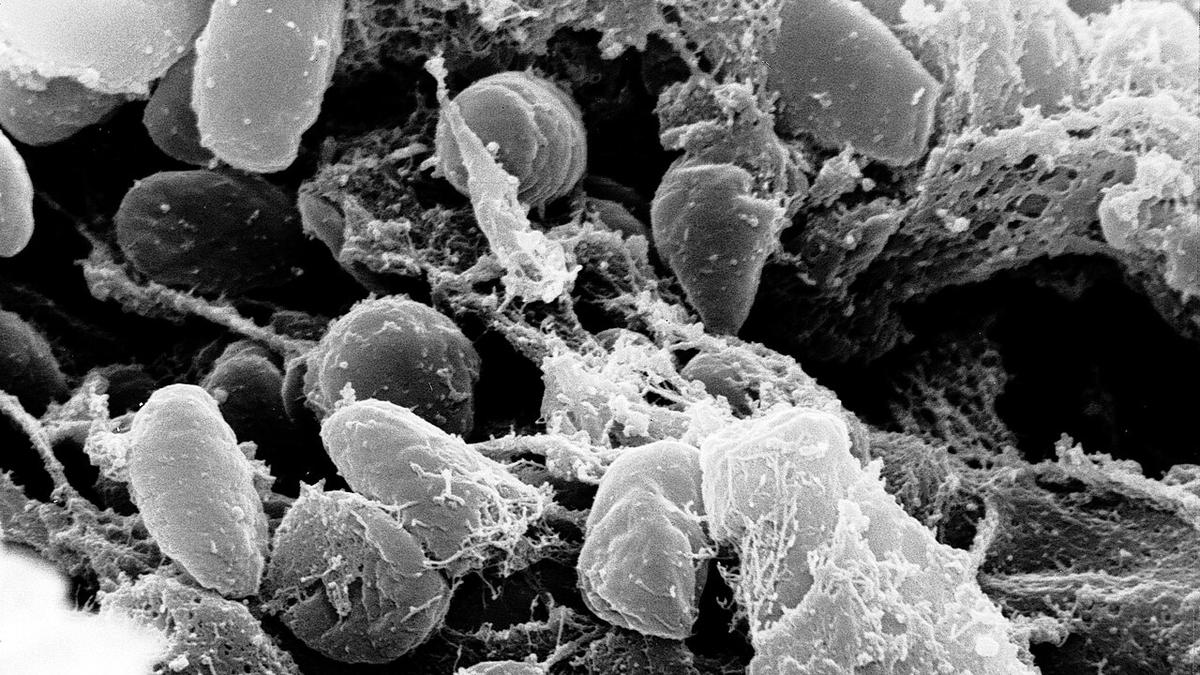
Pandemic Waves in New York: How Diseases Reshaped the City and Altered History
New York City has long been a bustling epicenter of culture, commerce, and innovation. Yet, throughout its storied history, the city has faced numerous pandemics that have left indelible marks on its landscape and society. From cholera in the 19th century to the influenza outbreak of 1918, and the more recent COVID-19 pandemic, each wave of disease has reshaped New York in unforeseen ways.
As the city grappled with these public health crises, its residents and leaders were compelled to adapt. The impact of these pandemics on New York has been profound, influencing architectural design, public health policies, and even the very rhythm of daily life. These changes have not only addressed immediate health concerns but have also paved the way for innovations that continue to benefit generations.
- Urban Planning: The cholera outbreaks in the 1800s led to the development of extensive sanitation systems, including the construction of the Croton Aqueduct, which revolutionized access to fresh water and improved public health.
- Public Health Advances: The influenza pandemic of 1918 underscored the necessity for coordinated public health strategies, leading to the establishment of more robust health departments and the implementation of vaccination programs.
- Modern Implications: The COVID-19 pandemic has accelerated the adoption of digital technologies in healthcare and reshaped work-life balance, with lasting implications for urban living.
As New York continues to evolve, the lessons learned from past pandemics underscore the city’s resilience and ability to innovate in the face of adversity. These historical experiences serve as a reminder of the importance of preparedness and adaptability in safeguarding public health and ensuring a vibrant future.
Stay informed: Understanding the historical context of pandemics in New York not only highlights the city's resilience but also offers valuable insights into managing future health crises. As we move forward, these lessons remain crucial for shaping a healthier, more sustainable urban environment.










 Continue With Google
Comments (0)