



কলকাতা টাইমস নিউজ ডেস্ক:
বন্দে ভারত এতদিন ছিল মূলত যাত্রী পরিবহণের সঙ্গে যুক্ত ভারতের দ্রুতগতির রেল পরিষেবার প্রতীক। এবার সেই প্রযুক্তিই পণ্য পরিবহণের জগতে নতুন সম্ভাবনার দরজা খুলতে চলেছে। দেশের প্রথম Vande Bharat Freight EMU উচ্চগতির পরীক্ষায় উল্লেখযোগ্য সাফল্য দেখিয়েছে। কোটা-কেন্দ্রিক পরীক্ষামূলক পর্বে এই অত্যাধুনিক মালবাহী ট্রেন ১৩০ কিলোমিটার প্রতি ঘণ্টা গতিতে পরীক্ষার মুখোমুখি হয়েছে। এর আগে পরীক্ষার প্রথম দিনেই রেকটি সর্বোচ্চ ১৪৫ কিলোমিটার প্রতি ঘণ্টা পর্যন্ত পৌঁছেছিল বলে রেল সূত্রে প্রকাশিত তথ্য জানানো হয়েছে।
পণ্য পরিবহণে এই নতুন ট্রেনের আত্মপ্রকাশ ভারতীয় রেলের জন্য গুরুত্বপূর্ণ বলে মনে করা হচ্ছে। কারণ দেশের লজিস্টিকস ব্যবস্থায় সময়-নির্ভর পণ্য, ই-কমার্সের পার্সেল, দ্রুত সরবরাহের প্রয়োজনীয় সামগ্রী এবং তাপমাত্রা নিয়ন্ত্রিত পরিবহণের চাহিদা ক্রমশ বাড়ছে। সেই জায়গায় প্রচলিত মালগাড়ির পাশাপাশি দ্রুতগতির বিশেষ ফ্রেট ট্রেন চালু হলে রেলপথে পণ্য পরিবহণ আরও প্রতিযোগিতামূলক হয়ে উঠতে পারে।
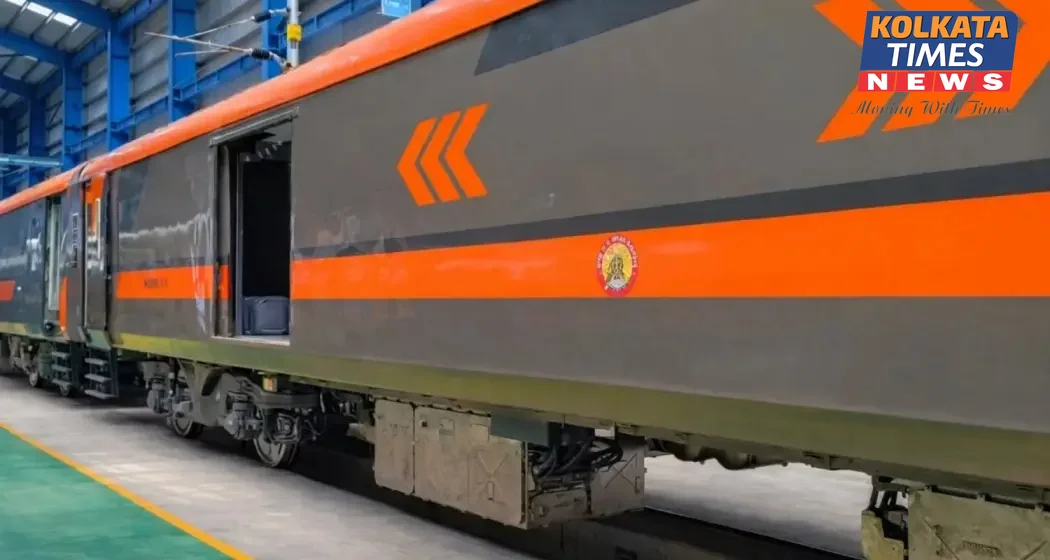
চেন্নাইয়ের Integral Coach Factory বা ICF-এ তৈরি হয়েছে এই ১৬ কোচের Freight EMU। ট্রেনটির নকশা বন্দে ভারত প্ল্যাটফর্মের প্রযুক্তির উপর ভিত্তি করে তৈরি করা হয়েছে। রেলের পরিকল্পনা, যাত্রীবাহী ট্রেনের জন্য ব্যবহৃত আধুনিক প্রযুক্তিকে এবার পণ্য পরিবহণের ক্ষেত্রেও কাজে লাগানো।
বর্তমানে রেলের উচ্চগতির পরীক্ষামূলক পর্বে বিভিন্ন দিক থেকে ট্রেনটির সক্ষমতা যাচাই করা হচ্ছে। Research Designs and Standards Organisation বা RDSO-র তত্ত্বাবধানে এই পরীক্ষা চলছে। পরীক্ষায় শুধু ট্রেন কত দ্রুত ছুটতে পারে তা দেখা হচ্ছে না; উচ্চগতিতে ভার বহনের সময় ট্রেনের ব্রেকিং ব্যবস্থা, ট্র্যাকশন, বৈদ্যুতিক ব্যবস্থা, ঝাঁকুনির মাত্রা, শক্তি পুনরুদ্ধার এবং বিভিন্ন সুরক্ষা ব্যবস্থাও খতিয়ে দেখা হচ্ছে।
এই পরীক্ষার একটি গুরুত্বপূর্ণ অংশ হল regenerative energy system। ট্রেন ব্রেক করার সময় যে শক্তি উৎপন্ন হয়, তার কতটা পুনরায় বৈদ্যুতিক শক্তি হিসেবে ব্যবহার করা যায়, তা যাচাই করা হচ্ছে। একই সঙ্গে উচ্চগতিতে চলার সময় বৈদ্যুতিক ও propulsion system অতিরিক্ত তাপের মধ্যে কতটা কার্যকর থাকে, সেটিও পরীক্ষা করা হচ্ছে।
ট্রেনের traction এবং braking performance-ও অত্যন্ত গুরুত্বপূর্ণ। ভারী পণ্য বোঝাই অবস্থায় ট্রেন কতটা দ্রুত গতি অর্জন করতে পারে এবং প্রয়োজনের সময় কতটা কার্যকরভাবে থামতে পারে, তা পরীক্ষার মাধ্যমে যাচাই করা হচ্ছে। acceleration ও deceleration-এর সময় যাত্রীবাহী ট্রেনের মতোই পণ্যবাহী ট্রেনেও চলাচল কতটা মসৃণ থাকে, তা বোঝার জন্য jerk test-ও করা হচ্ছে।
প্রাথমিক পরীক্ষার সূচি অনুযায়ী ট্রেনটির ১২০, ১৩০, ১৪০ এবং ১৪৫ কিলোমিটার প্রতি ঘণ্টা গতিতে oscillation trial করার পরিকল্পনা রয়েছে। এর পাশাপাশি emergency braking distance, coupler force, curve performance, signal ও telecommunication interference, automatic door operation এবং বিভিন্ন safety system পরীক্ষা করা হচ্ছে।
এই নতুন Freight EMU-র সবচেয়ে বড় বৈশিষ্ট্যগুলির একটি হল এর ১৬ কোচের বিশেষ বিন্যাস। রেলের প্রকাশিত তথ্য অনুযায়ী, রেকে রয়েছে ১২টি parcel coach, দুটি refrigerated বা reefer coach এবং দুটি non-driving trailer coach। মোট পণ্য বহনের ক্ষমতা ৩৯৭ টনেরও বেশি বলে সাম্প্রতিক পরীক্ষার নথি ও প্রতিবেদনগুলিতে উল্লেখ করা হয়েছে।
পচনশীল খাদ্যদ্রব্য, ওষুধ, দুগ্ধজাত পণ্য বা নির্দিষ্ট তাপমাত্রায় পরিবহণ প্রয়োজন এমন সামগ্রীর ক্ষেত্রে এই refrigerated facility বিশেষ গুরুত্বপূর্ণ হয়ে উঠতে পারে। এতদিন দ্রুত এবং নির্ভরযোগ্য cold-chain logistics-এর ক্ষেত্রে সড়কপথের উপর অনেকটাই নির্ভর করতে হয়েছে। বন্দে ভারত প্রযুক্তিনির্ভর এই ফ্রেট ট্রেন সেই ক্ষেত্রে রেলের বিকল্প তৈরি করতে পারে।
পণ্য ওঠানো-নামানোর সময়ও গতি বাড়ানোর জন্য ব্যবহার করা হয়েছে pneumatic retractable roller flooring system। ফলে প্যালেট বা ভারী পণ্য সহজে ভিতরে সরানো এবং বের করে আনা সম্ভব হবে। বড় automatic sliding doors-ও দ্রুত loading এবং unloading-এর ক্ষেত্রে গুরুত্বপূর্ণ ভূমিকা নেবে।
নিরাপত্তার ক্ষেত্রেও রয়েছে একাধিক আধুনিক ব্যবস্থা। ট্রেনটিতে ভারতীয় রেলের KAVACH automatic train protection system যুক্ত করা হয়েছে। দরজা নির্দিষ্ট গতির পর স্বয়ংক্রিয়ভাবে লক হয়ে যাবে এবং সব দরজা সঠিকভাবে বন্ধ ও লক না হওয়া পর্যন্ত ট্রেন চালু করা যাবে না বলে পরীক্ষামূলক রেকটির নিরাপত্তা বৈশিষ্ট্য সম্পর্কে রেল সূত্রে জানানো হয়েছে। CCTV এবং fire detection-এর মতো ব্যবস্থাও রাখা হয়েছে।
রেলের কাছে এই প্রকল্পের গুরুত্ব শুধু একটি নতুন ট্রেন তৈরিতে সীমাবদ্ধ নয়। এর পিছনে রয়েছে ভারতের দ্রুত পরিবর্তনশীল logistics economy। ই-কমার্সের বিস্তার, একই দিনে বা পরের দিনে পণ্য পৌঁছে দেওয়ার বাজার, ওষুধ ও খাদ্যপণ্যের দ্রুত পরিবহণ এবং শিল্পক্ষেত্রে সময়-নির্ভর supply chain—সবকিছুর ক্ষেত্রেই দ্রুত মালবাহী রেল পরিষেবা গুরুত্বপূর্ণ হয়ে উঠতে পারে।
এর আগে রেলওয়ে বন্দে ভারত-ভিত্তিক Freight EMU-কে মূলত high-value এবং time-sensitive cargo পরিবহণের জন্য পরিকল্পনা করেছিল। প্রাথমিক নকশায় ১৬ কোচের এই ট্রেনের জন্য ১৬০ কিমি প্রতি ঘণ্টা পর্যন্ত operational potential-এর কথা বলা হয়েছিল।
অর্থাৎ ১৩০ কিমি প্রতি ঘণ্টার বর্তমান পরীক্ষা কোনও চূড়ান্ত বাণিজ্যিক গতি ঘোষণা নয়; এটি বৃহত্তর technical certification ও safety assessment-এর অংশ। ট্রেনটি বাস্তবে কোন গতিতে এবং কোন রুটে বাণিজ্যিকভাবে চলবে, তা নির্ভর করবে পরীক্ষার ফল, নিরাপত্তা ছাড়পত্র এবং রেলের operational পরিকল্পনার উপর।
সাম্প্রতিক পরীক্ষায় ১৪৫ কিমি প্রতি ঘণ্টা পর্যন্ত গতি অর্জনের ঘটনাও তাই তাৎপর্যপূর্ণ। তবে গতি যত বাড়বে, ততই গুরুত্বপূর্ণ হয়ে উঠবে braking, track behaviour, axle load, signalling এবং loaded condition-এ train dynamics। এই কারণেই পরীক্ষার পর্ব দীর্ঘায়িত করে বিভিন্ন পরিস্থিতিতে ট্রেনটির কার্যক্ষমতা যাচাই করা হচ্ছে।
ভারতীয় রেলের সামনে এখন বড় প্রশ্ন—এই প্রযুক্তিকে কীভাবে বাণিজ্যিকভাবে কাজে লাগানো যায়। যদি পরীক্ষাগুলি সফল হয় এবং উপযুক্ত রুট ও terminal infrastructure তৈরি করা যায়, তাহলে বন্দে ভারত Freight EMU দেশের express logistics network-এর একটি গুরুত্বপূর্ণ অংশ হয়ে উঠতে পারে।
যাত্রীবাহী বন্দে ভারত ইতিমধ্যেই ভারতের রেল আধুনিকীকরণের প্রতীক। এবার সেই একই প্রযুক্তি যদি দ্রুত পণ্য পরিবহণের ক্ষেত্রেও সফল হয়, তাহলে ভারতের রেল ব্যবস্থায় আরও একটি বড় পরিবর্তনের সূচনা হতে পারে।
বন্দে ভারত এবার শুধু মানুষকে দ্রুত গন্তব্যে পৌঁছে দেওয়ার ট্রেন নয়—সময়কে হারিয়ে পণ্যকেও গন্তব্যে পৌঁছে দেওয়ার নতুন দৌড়ে নামতে চলেছে।
Vande Bharat Goes Freight: India’s First High-Speed Cargo Train Undergoes 130 kmph Trials
Kolkata Times News Desk:
The 16-coach Freight EMU is designed for express parcels cold-chain logistics and time-sensitive cargo
Vande Bharat has so far been closely associated with India's modern high-speed passenger rail network. Now, the technology behind the train is being extended to freight transportation, with India's first Vande Bharat Freight EMU undergoing high-speed technical trials.
During trials in the Kota division, the freight rake has been tested at speeds including 130 kmph. On the opening day of the current trial series, the prototype reportedly reached a maximum speed of 145 kmph during its return journey to Kota.
The development is significant for Indian Railways as demand for faster logistics is growing rapidly. E-commerce shipments, express parcels, pharmaceuticals, perishables and other time-sensitive cargo require faster and more predictable transportation.
Developed by Integral Coach Factory in Chennai, the 16-coach Freight EMU is based on Vande Bharat technology but has been specially configured for cargo movement.
The trials are being conducted under the supervision of the Research Designs and Standards Organisation. Engineers are evaluating much more than speed. The testing programme includes traction, braking, regenerative energy, thermal performance, ride quality, jerk levels, emergency braking distance, coupler forces and curve performance. Signal and telecom interference, automatic doors and other safety systems are also being examined.
One of the major advantages of the new freight train is its ability to handle temperature-sensitive cargo. The rake includes refrigerated coaches, making it potentially useful for pharmaceuticals, dairy products, fresh produce and other goods requiring controlled temperatures.
Loading and unloading have also been designed for speed. The train features pneumatic retractable roller flooring, allowing palletised cargo to be moved more efficiently inside the coaches. Wide automatic sliding doors are expected to reduce loading and unloading time further.
The rake consists of 12 parcel coaches, two refrigerated or reefer coaches and two non-driving trailer coaches. Recent trial reports put its total payload capacity at more than 397 tonnes.
Safety has also been given considerable attention. The train is equipped with KAVACH, India's automatic train protection system. Its doors are designed to lock automatically above a specified speed, and the train cannot operate unless the doors are properly closed and locked. CCTV and fire detection systems are also included.
The current trials are part of a wider technical assessment. Testing is being conducted at multiple speeds, including 120, 130, 140 and 145 kmph, under loaded conditions. Engineers are also assessing emergency braking performance, oscillation behaviour and electrical and propulsion systems.
The project is aimed particularly at high-value and time-sensitive cargo. Earlier railway plans envisaged Vande Bharat-based freight services with an operational speed potential of up to 160 kmph, although the eventual commercial speed and routes will depend on safety certification, infrastructure and operational requirements.
If the technical trials are successfully completed, the Vande Bharat Freight EMU could offer Indian Railways a new way of competing with road transport in the express logistics market.
The significance goes beyond a new train. Faster freight movement could strengthen India's e-commerce supply chains, improve cold-chain connectivity and reduce delivery times for time-sensitive goods.
Vande Bharat began as a symbol of faster passenger mobility. Its freight version could now turn that technology into a new symbol of India's logistics transformation.
The next Vande Bharat revolution may not carry passengers—it may carry India's cargo at speed.






 Continue With Google
Comments (0)